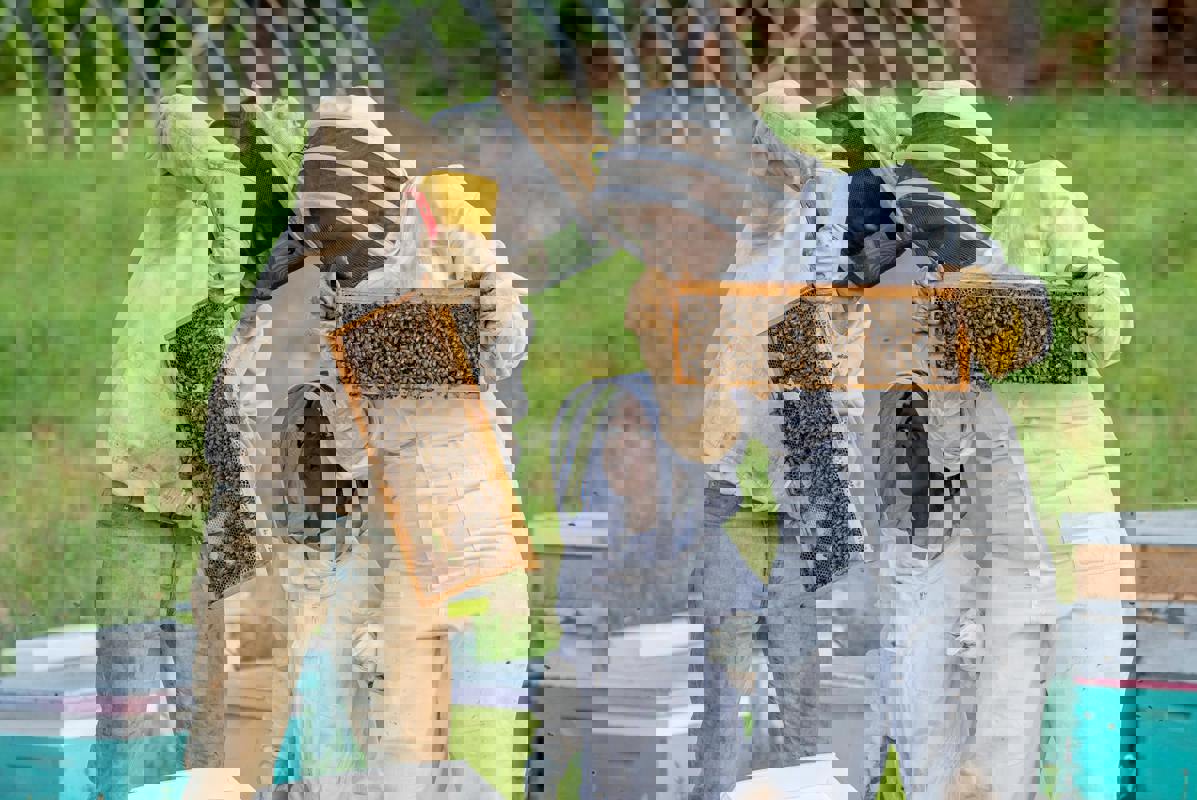
Local beekeepers are opening their doors – and hives – to the public in a unique initiative aimed at raising awareness about the importance of pollinators. Beyond the typical classroom lesson, these interactive hive tours are inviting families to experience the world of bees up close. From seasoned enthusiasts to curious newcomers, tour organizers say their goal is to foster a deeper connection between the community and these vital insects.
Participants in the hive tours are treated to a carefully guided journey, beginning with essential safety instructions. Each group learns how to approach the hives without disturbing the bees, donning protective gear before getting hands-on with the frames and smokers. According to beekeeper and organizer Susan Hardy, “Demystifying the hive is one of the best ways to calm fears and inspire curiosity in both kids and adults.”
During the tours, visitors are shown the intricate social structure of a functioning hive. Expert guides explain the complex roles of the queen, workers, and drones, highlighting the cooperative spirit that allows colonies to thrive. Many guests are surprised to discover just how organized and efficient bee societies are. Educational stations often display honeycomb samples and live demonstrations of bees tending to brood or storing nectar.
Perhaps the sweetest aspect of the event is the fresh honey tasting sessions. After observing the bees at work, attendees are invited to sample honey straight from the comb, allowing them to appreciate the purity and flavor that supermarket jars rarely match. Children, especially, delight in pulling honey-laden frames and trying the golden treat. "It's a powerful way to connect our senses to sustainability," Hardy remarks.
Beyond the fascination and flavors, the tours address the sobering challenges bees face today. Experts present up-to-date information on issues such as habitat loss, pesticide use, and climate change. Statistics reveal that one in four native bee species is facing extinction, underscoring the urgency of conservation efforts. These facts spur conversations among families about how simple actions in their own gardens can make a meaningful difference.
A key focus of the educational sessions involves pollination – a process central to both farm and garden productivity. Demonstrators use colorful props and real flowers to show children how bees transfer pollen and enable fruit and seed development. According to recent studies cited by organizers, pollinators are responsible for one out of every three bites of food we eat, making their role unmistakably vital.
Local beekeepers are also using the tours to highlight community-driven solutions. Workshops offer guidance on planting pollinator-friendly flowers, building bee hotels, and supporting organic farming. Many attendees are encouraged to join citizen science projects or participate in community gardens. "Empowering families with practical knowledge is a crucial step towards protecting pollinators," says Jamal Singh, a volunteer educator at the event.
The hive tours are proving immensely popular, with sessions booking up quickly as awareness spreads through word of mouth and social media. Organizers express hope that the curiosity ignited by these up-close experiences will leave a lasting impact. Through education, participation, and a taste of nature’s sweetness, local families are forming stronger bonds with their environment—and gaining new appreciation for the humble honeybee.